Privacy in The Era of Big Data

‘Data is the currency we use to access free services’
In an age where the Internet does not forget, access to technology and technological devices is not only easy but cheap. People are using all kinds of tech products and services and most users sign on to these services without reading through the fine print of the terms and conditions to ensure that they are protected before sharing their private information.
On top of this, most public and private organizations are not investing enough to ensure the protection of user data, even with existing data protection laws that should ensure high level measures in subject data protection.
Data protection and privacy are some of the most underrated acts of personal protection. Even with proper laws, rules, regulations, and sensitization around data protection and privacy but without proper implementation, increasing numbers of corporate and government institutions will continue to exploit user data for their own benefits without proper consent or acknowledgement. And without meaningful data subject literacy, individuals will continue to share private information online and offline while being oblivious of the impact of their data being made available in this way.
By being unaware about the value of their data, Internet users expose themselves to cases of identity theft and data fraud. Increasingly, these cases are starting to take center stage in developing countries. Cases of identity theft are rapidly growing in East Africa with unsuspecting victims having their identities used for criminal activities or even signing up for services that they do not consent to.
With the election period looming in Kenya, voter data is still not adequately protected posing a potential threat where voter data for those that are registered might end up in the hands of those that can use it for malicious purposes. This has happened in the past, where many people took to social media to demand that their data be either removed from the voter register that had been shared online or that the electoral commission implement better security measures on the data that has been entrusted with them.
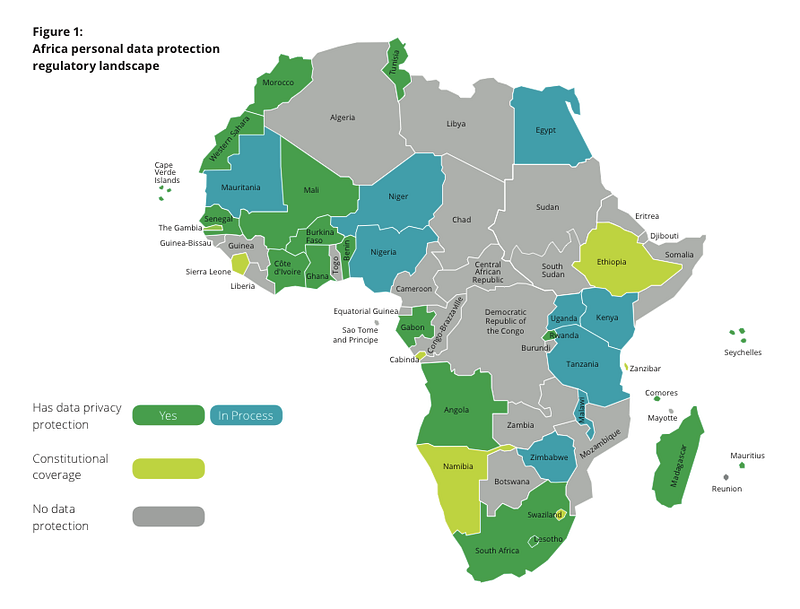
For a healthy Internet, users need a level of assurance that what they share online and offline will not be used against them or in ways they did not consent to. While folks can take personal responsibility in ensuring that they do not share personal information knowingly, the data leaks where this data is still captured and reused without consent remains high. The Offices of the Data Protection Commissioners in the various countries in Africa have their work cut out for them even in this age of artificial intelligence and big data.
Newsletter
New essays, straight to your inbox
Occasional writing on data, AI and policy in Africa. No spam, unsubscribe anytime.
Related reading

The Internet and You. Us.
‘Data is the currency we use to access free services’ By Linet Kwamboka Image Source The past year has been one of the most fulfilling years in my pursuit to sharpen my expertise on the issues of privacy and data protection. The quote that is my headline, above, came from an unknown source and really […]
Dear Internet, I Love You But We Need to Talk…
Over the past few weeks, the world has boiled over with the revelations of how Facebook allowed its vulnerabilities to be exploited by Cambridge Analytica (CA) in using data of its users in political campaigns. For most of the global North, these conversations have carried on to a point leading to the Facebook CEO,…
The Internet of You.
28th January was World Data Privacy/Protection day. A day that is well represented and known in the Global North. It so happened that on this day, I was in Amsterdam enroute to San Francisco for our Mozilla Work Week and when I got on the internet at the airport, I kept getting all those notifications […]