In God we trust, all others bring data (for AI).
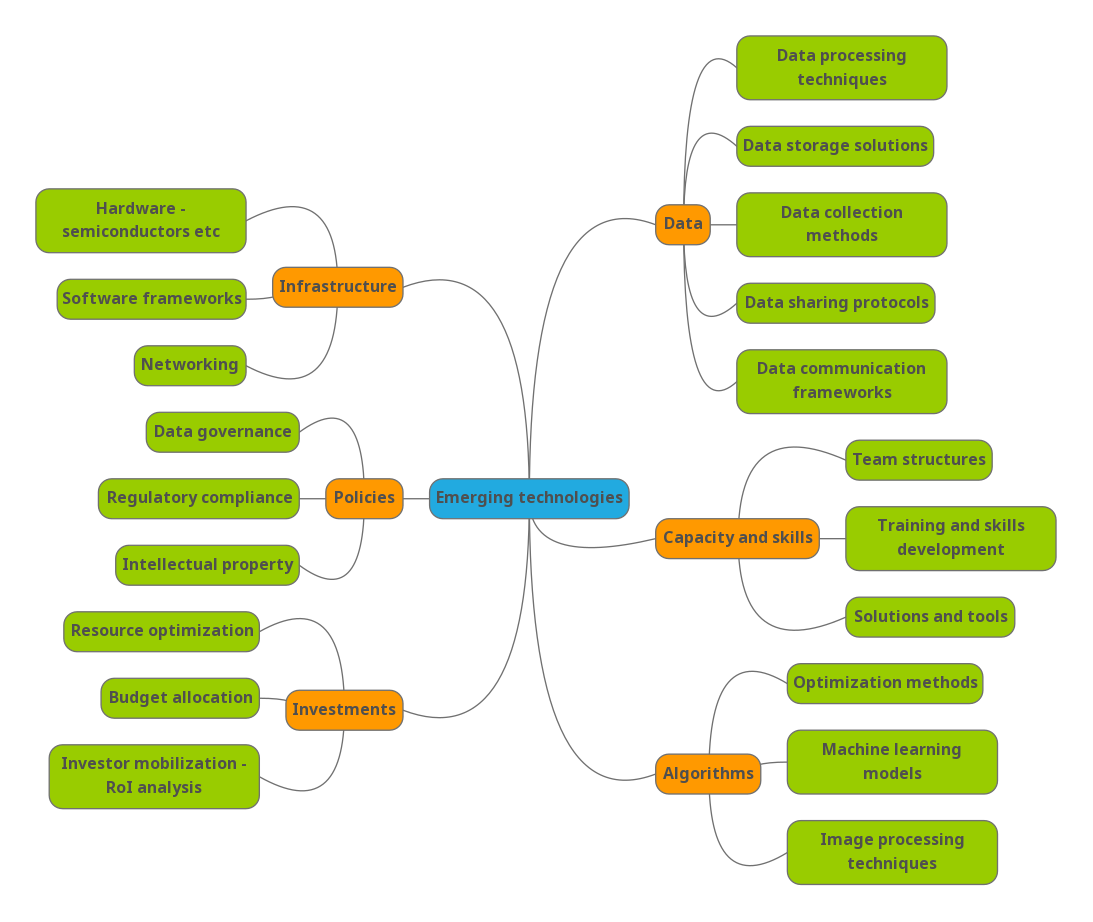
Data continues to be one of the most underrated things when it comes to the conversation about life as we know it today. In the era of emerging technologies, beyond the infrastructure, capacity, investments, algorithms etc, data remains king, it drives everything.
On the African continent, the data conversation has seen its fair share of ups and downs. From Open Data Initiatives to Data Centres to Data Champions and back to slow growth. The conversations started high with major investments from major development partners like FCDO, World Bank, GIZ etc. These investments and some of the activism went into passing some major governing laws like data protection laws and access to information laws while establishing major governing offices like those of the data protection commissioners.
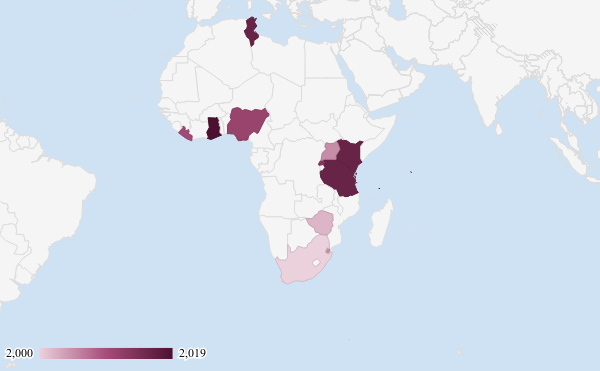 | 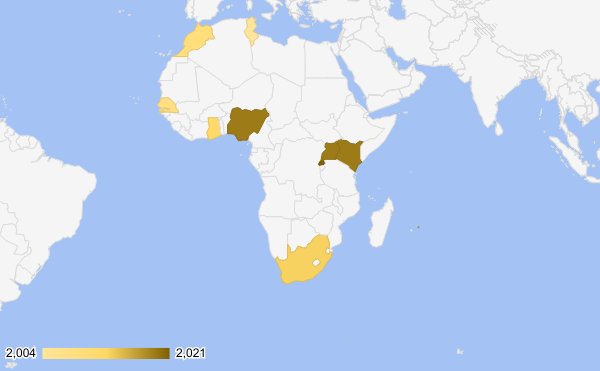 |
| African countries with Access to Information Laws | African countries with Data Protection Laws |
As some would argue, the presence of or lack of laws should not be a deterrent to data innovation. While the laws are very important in governing on data use, access, sharing, ownership etc, a vast majority of African countries do not have these governing laws but that should not be a reason for their exclusion from the data economy.
All these efforts have not gone to waste, lots of good has come out of it but there is still a long way to go. Since the introduction of open data initiatives in the early to mid 2010s, the culture of data has most certainly changed in African countries. From the hype of data being the new oil to actual skills development, investments in data and data systems, development of sustainable data products and the widespread conferencing and workshops to spur the conversations.
So, where do we go wrong? Why is Africa still facing significant challenges in the conversation on data being a major contributor that will catapult Africa into the 4th industrial revolution? The innovation of data products and the contribution to the data economy beyond convenings remains a challenge and some of the issues that must be addressed in order to overcome these challenges include:
- Ownership – African countries need to own their data initiatives. While these can be funded externally, they need to hold the ownership of the solution and their sustainability beyond funding.
- Investments – To ensure sustainability, governments must make deliberate efforts into the growth of their data ecosystems and those look like supporting their data systems, innovators and infrastructure.
- Hype – Africa must live and exist beyond the hype. There has been a lot of hype around different concepts especially in innovation and Africa has been left holding the stick of the conversation and convenings ground. Beyond this introduction, African countries need to make deliberate efforts towards prototyping, building and resourcing ideas.
- Sustainability – We cannot escape the conversation on sustainability of initiatives.This has unfortunately become very rampant in both the private and public sectors. What happens after the colorful confetti settles on the ground? What happens after donor/funder money runs out? How do we keep things running and growing into the future?
- Skills and Capacity – Most African economies lack the right skills and capacity to wrangle data and draw insights. Even when this is done, the insights rarely make it to the tables of decision making and policy formulation.
It is time African countries of good will got together and decided on a common approach on how to tackle the challenges, address the fears and find our way into the seats at the table of the 4th industrial revolution. We can do it!
Newsletter
New essays, straight to your inbox
Occasional writing on data, AI and policy in Africa. No spam, unsubscribe anytime.
Related reading
Unite and Conquer – How Africa Can Beat the Odds to Become an AI Hub
A few weeks ago, in his keynote to Kenyans, the president of Kenya admitted that building AI data centers in Kenya (as it is in many countries) is a pipe dream. This followed an agreement signed between Microsoft, The Government of Kenya and G42. He admitted that, to build an efficient data center requires about […]
The Paradox of Language Data
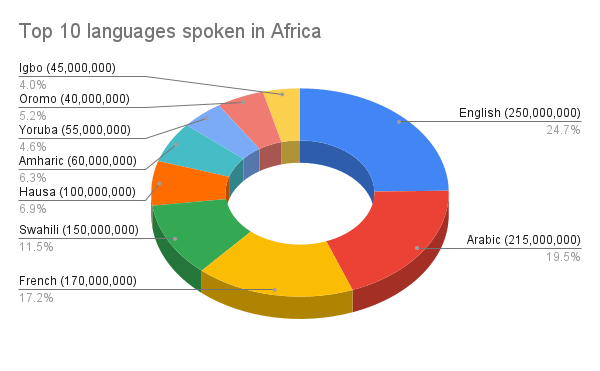
A few days ago, speaking to a couple friends, I asked them the cliché thing you ask people who do not speak your native language, ‘how do you say ‘hello’ in your mother-tongue?’. My friends are a little over the youth group age, grew up in a setting where they spoke their native language and […]
AI in Everyday Work & Life
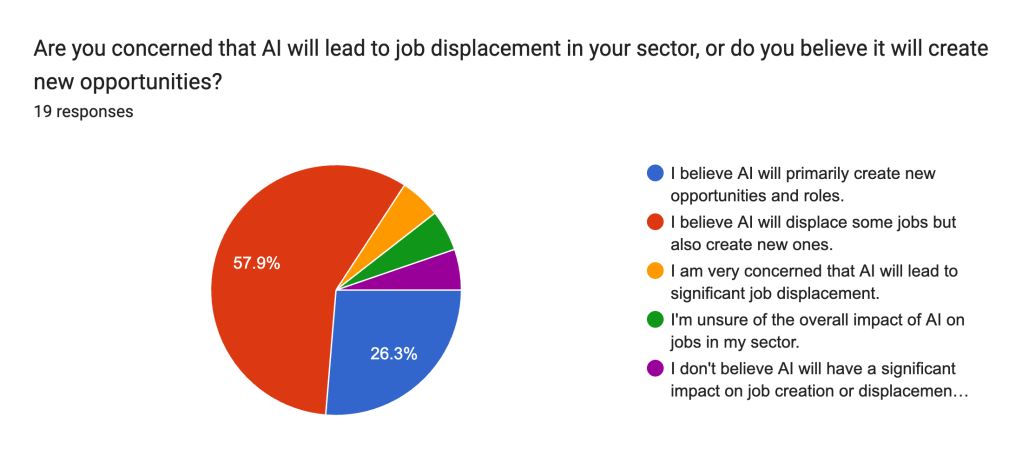
A couple of weeks ago, I put out a survey on my socials titled ‘AI in Everyday Work & Life: Insights for Policy and Innovation.’ The idea behind this survey was to start to understand how different people are using AI and the new and emerging models in their day to day life, and if […]